It’s the conversation many Northland families put off until a “spark” happens—maybe a fall, a missed dose of medication, or the realization that the house is becoming too much to manage. When that moment arrives, the big question is usually: “Is it time for a rest home, or can we make it work at home?”
At Home Support North, we believe there is no “one size fits all” answer. Both options provide safety and care, but they offer very different lifestyles. Here is a breakdown to help you decide which path fits your family’s needs.
1. The Comfort of Familiarity
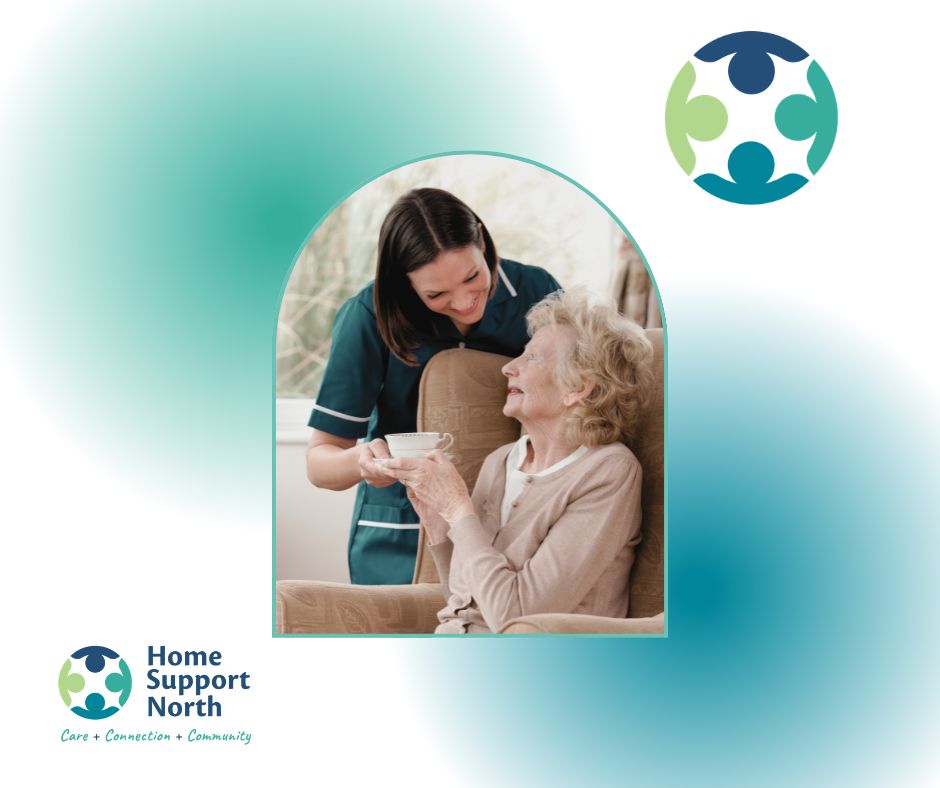
- Home Support: You stay in the home you love. You keep your garden, your pets, and your neighbors. Care is brought to you, allowing you to maintain your “mana” and independence in a familiar environment.
- Rest Home: This involves a significant move. While you can bring personal items, you are moving into a communal environment with set routines for meals and activities.
2. Flexibility of Care
- Home Support: Care is “modular.” You might only need someone for an hour a day to help with a shower, or perhaps just a few hours a week for grocery shopping and cleaning. As needs change, these hours can be scaled up.
- Rest Home: This is a total-care environment. It provides 24/7 supervision and medical support on-site, which is often necessary for those with high-level medical needs or advanced dementia.
3. Social Connection
- Home Support: We focus on one-on-one companionship. Your support worker becomes a familiar face who can take you out to your favorite local Whangārei café or for a stroll at the Basin.
- Rest Home: Socializing is built-in. There are shared lounges, group activities, and other residents close by. This can be wonderful for those who feel isolated at home, though some find the transition to group living overwhelming.
At-a-Glance Comparison
| Feature | Home Support North | Residential Rest Home |
| Location | Your own home in Northland | A dedicated facility |
| Routine | You set the schedule | Follows facility schedule |
| Cost | Often funded (NASC) or private hourly | Daily bed rate (Asset tested) |
| Pets | Keep your furry friends | Usually not permitted |
| Privacy | Maximum privacy | Shared common areas |
The “Cost” Factor in 2026
In New Zealand, the financial side is often the deciding factor.
- Home Support is frequently covered by Te Whatu Ora or NorthAble funding (via a NASC assessment), meaning there is often no out-of-pocket cost for essential cares.
- Rest Homes are subject to “Asset Testing.” Depending on your savings and property value, you may be required to pay for your care until your assets reach a certain threshold.
Expert Tip: Many families choose a “Middle Ground” approach. They start with 5–10 hours of home support a week to see if that relieves the pressure on the family. Often, this is enough to delay a move to a rest home for several years.
How do we know it’s time?
If you are noticing the following, Home Support is a great first step:
- The house is getting untidy or the fridge is empty.
- Medication is being forgotten.
- Social isolation is leading to low moods.
- Family caregivers are feeling burnt out.
If there is a high risk of wandering (advanced dementia) or the need for clinical nursing care around the clock, a Rest Home may be the safer long-term choice.
Let’s Chat About the Options
Deciding between home care and a facility is an emotional journey. If you’re in Northland—from Kaiwaka up to Cape Reinga—our local coordinators can visit you for a no-obligation chat to see if staying at home is a viable option.
Give us a call at 0800 23 83 23 to discuss your situation.